
Meet the IAAA Board
Our Board brings together leading experts and leaders from around the world who are passionate about advancing research, collaboration, and impact.
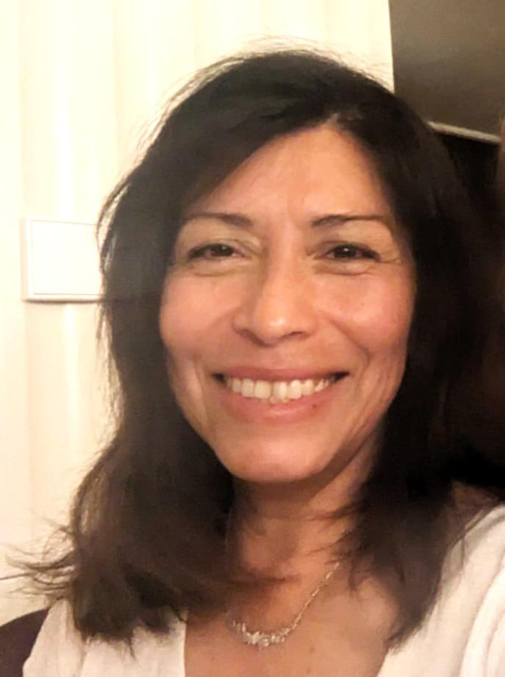
Presidency (2025-2026)
Claudia Paredes is a tenured professor at the University of the Balearic Islands (UIB) in Spain, where she leads the Research Group on Parasitology and Mediterranean Eco-Epidemiology. In Spain, she has adopted the «One Health» approach to investigate the complex interactions between human, animal, and environmental health. One of the most significant outcomes of her research was the discovery of neuroangiostrongyliasis in Mediterranean wildlife—the first documented case of this disease in Europe. Her group now studies the impact of this emerging zoonosis on public and animal health, as well as its implications for tourism and agriculture, particularly within the ecologically sensitive Mediterranean island context. Dr. Paredes actively collaborates with international scientists to raise awareness of neuroangiostrongyliasis and to advance research and surveillance efforts for this and other neglected parasitic diseases.
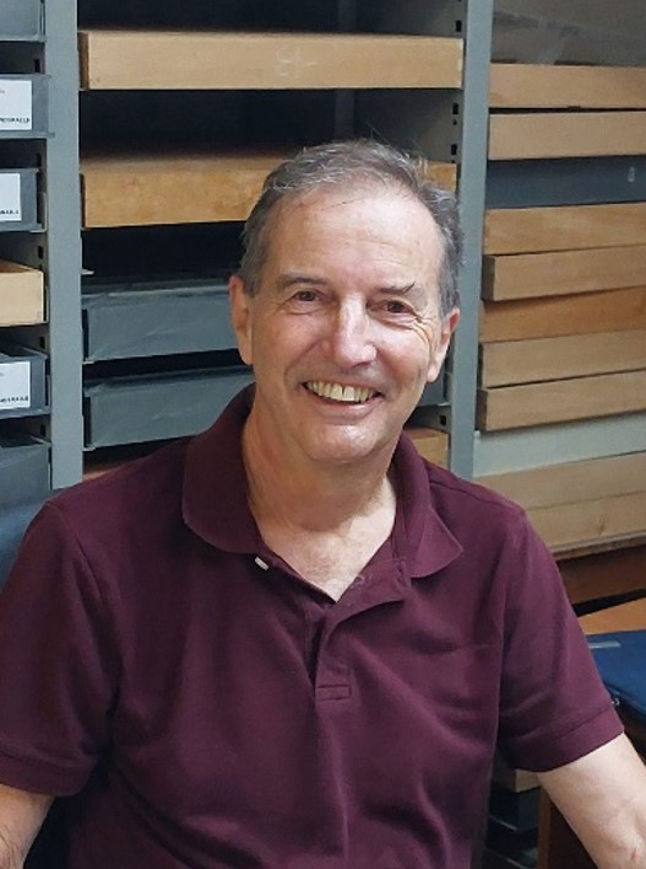
Executive Board
Robert Cowie obtained his undergraduate degree from Cambridge University (1975) and PhD from Liverpool University (1982) in the UK, both in Zoology, followed by postdoctoral research at University College London and a period as head of a UK Government termite research group. In 1990 he moved to Hawaii as the mollusc curator at the Bishop Museum and in 2001 to the University of Hawaii, where he is a research professor. Most of his career has involved non-marine snails: ecology, genetics, behaviour, biogeography, evolution, conservation and most recently biodiversity extinction. Since the mid-2000s, however, his primary focus has been angiostrongylid parasites, particularly Angiostrongylus cantonensis, including studies of intermediate (snail) and paratenic hosts, increasing global and local (in Hawaii) spread of A. cantonensis as an invasive species and its transmission to humans, thus within a One Health context. He was one of two Scientific Advisors during production of the highly acclaimed documentary «Accidental Host – the Story of Rat Lungworm Disease», also appearing in it.
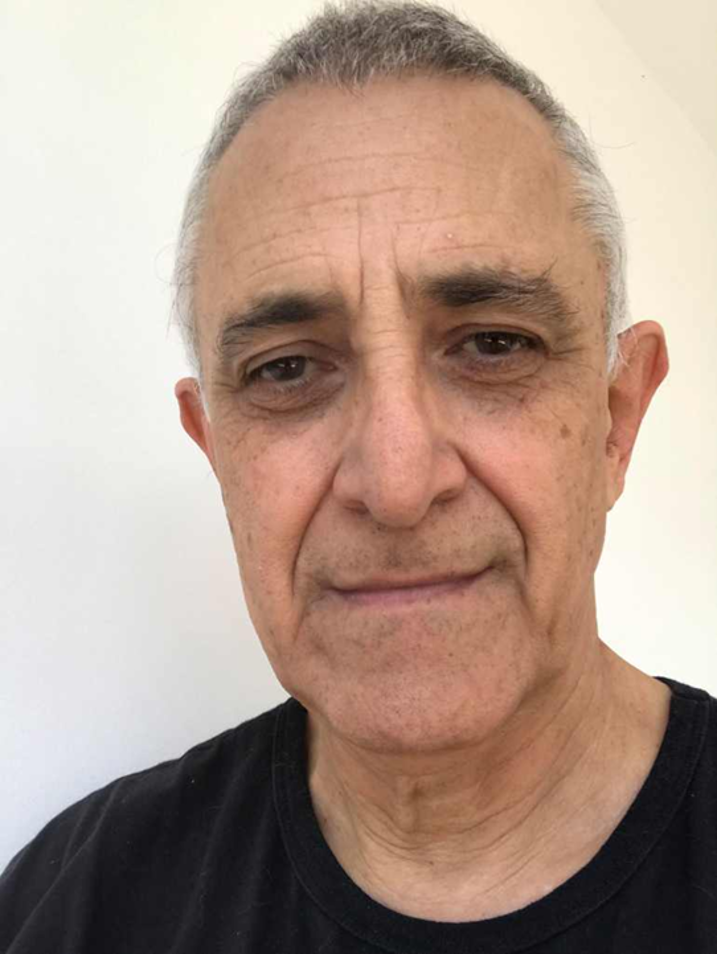
Executive Board
Carlos Graeff-Teixeira graduated as a Medical Doctor (MD) from Universidade de Passo Fundo, Brazil (1980). MSc in Infectious and Parasitic Diseases, Universidade Federal do Rio de Janeiro, Brazil (1986). PhD in Tropical Medicine, Instituto Oswaldo Cruz, FIOCRUZ, Rio de Janeiro, Brazil (1991). Currently: Full Professor at the Infectious Diseases Unit, Universidade Federal do Espírito Santo, Brazil. Scientific contributions on epidemiology and diagnosis, human helminthology, especially regarding angiostrongyliasis and schistosomiasis. Also interested in socio-political determinants of helminthiasis, complexity theory, and interpretation of dynamic systems (society and environment, parasite-host interaction, webs and networks as units of analysis). Pioneering studies on angiostrongyliasis in South America, including the discovery of cerebral angiostrongyliasis. With CF Teixeira, He discovered the magnetic behavior of Schistosoma mansoni eggs, leading to Helmintex, the most sensitive egg-detection method for schistosomiasis, and a very interesting example of the interface between physics and biology. Research approaches recently shifted towards implementation research (IR) to explore and find practical solutions for interventions that are effective but were not implemented, in order to improve the health status and wellbeing of people.
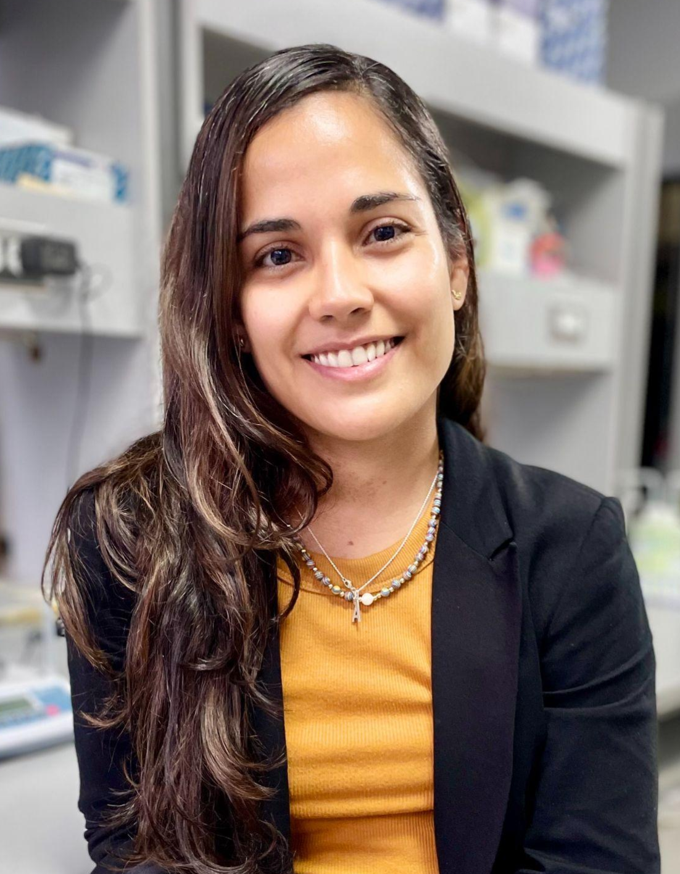
Executive Board
Prof. Alicia Rojas is a microbiologist and parasitologist who graduated from the University of Costa Rica. She earned her PhD in Animal Sciences at the Hebrew University of Jerusalem, focusing on parasites of veterinary importance, and completed postdoctoral research at the Weizmann Institute of Science studying host–pathogen interactions in human malaria. She is currently affiliated with the Faculty of Microbiology at the University of Costa Rica. Prof. Rojas serves as a consultant for the Tropical Council for Companion Animal Parasites and is an associate editor for Parasites & Vectors and Current Research in Parasitology and Vector-Borne Diseases. She teaches medical helminthology to undergraduate microbiology students and collaborates in community welfare programs. She has co-authored over 85 peer-reviewed articles, participated in 25 international conferences, and received the Odile Prize for Young Parasitologists (2020), the Anneke Levelt-Senger Award for Women Scientists in the Americas (2023) and the Peter Nansen Young Scientist Award (2025). Her lab studies the epidemiology, phylogeography, and host–pathogen interactions of parasitic worms from a One Health perspective, including Angiostrongylus costaricensis.
Executive Board
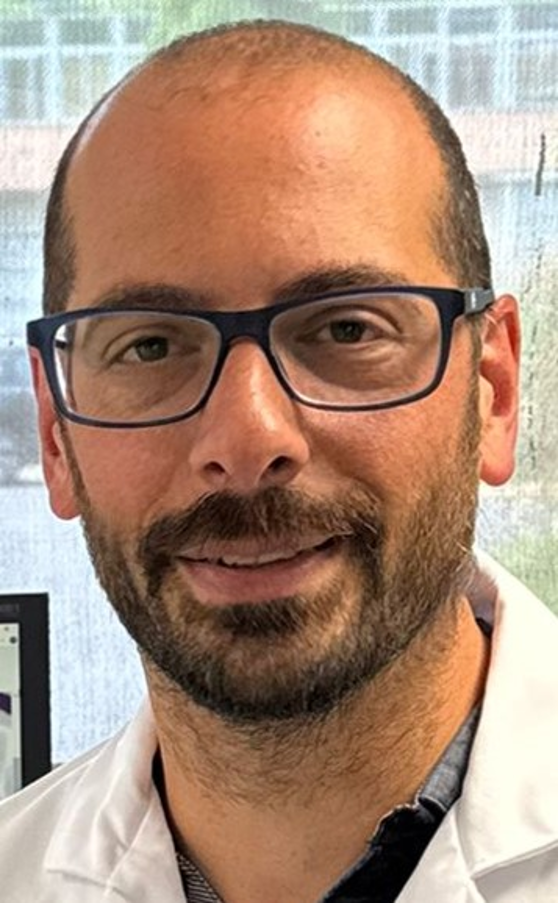
Grégory KARADJIAN is Research Director at the French Agency for Food, Environmental and Occupational Health & Safety, where he leads a team working on neglected and emerging parasites (ParaNEm) within a joint research unit on parasitic biology and immunology, of which he is Deputy Director. In 2015, he was awarded the thesis prize of the French Society for Parasitology (SFP), of which he is now President. He is also a member of the executive committee of the World Federation of Parasitologists (WFP) and co-leader of the Animal Sciences Paris Saclay network (SAPS). The ParaNEm team is involved in the surveillance of Angiostrongylus cantonensis emergence in France and collaborates with various actors (physicians, researchers, veterinarians, etc.) worldwide, aiming to improve detection methods in the wild and to better understand the biology of the parasite in its different definitive, intermediate, and paratenic hosts.
Executive Board
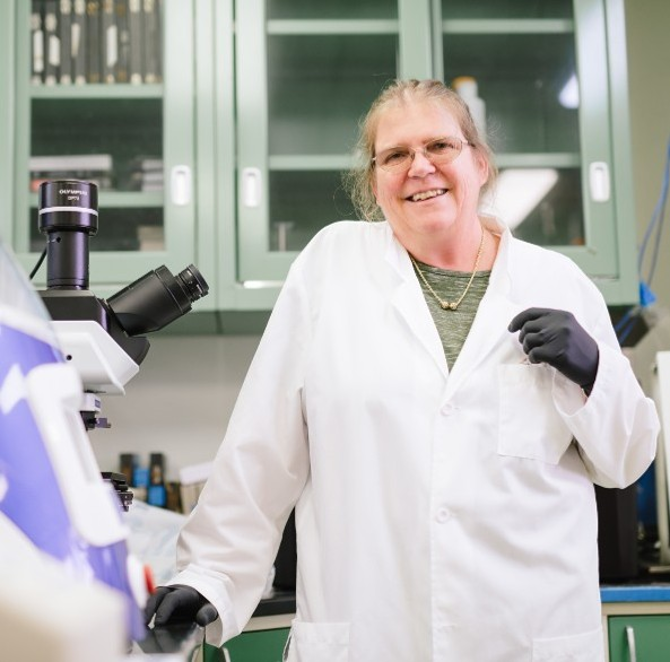
Susan Jarvi received her undergraduate degree in Education from Fitchburg State University in Massachusetts, her MS degree from the University of Massachusetts in Amherst, her PhD from Northern Illinois University, DeKalb IL, and completed two post-docs, one at the Beckman Research Institute, City of Hope National Medical Center, Duarte, CA, and the second at the Molecular Genetics Laboratory, National Zoological Park, Smithsonian Institution, Washington DC. She has served as a Research Geneticist at PIERC at Hawaii Volcanoes National Park, and has held several positions at the University of Hawaii at Hilo including Assistant, Associate, Full Professor, and Chair in the Biology Dept, developed and Directed the Pre-Pharmacy Program, and Professor and Chair of the Dept of Pharmaceutical Sciences in the Daniel K. Inouye College of Pharmacy. Her research career has focused on several infectious diseases including earlier studies on avian malaria and avian poxvirus to evaluate susceptibility and resistance of Hawaii’s native birds. In 2012, she shifted her focus to the diagnostic, treatment, and basic biology of Angiostrongylus cantonensis, the parasite responsible for rat lungworm disease. She and her lab have published over 85 scientific manuscripts, three book chapters, and one book. She recently retired on Dec 31, 2025 after 25 years as an educator and researcher. She is currently completing a book entitled: A roadmap from past to present on the study of rat lungworm disease (neuroangiostrongyliasis) and implications for prevention, diagnosis, and treatment.